
Addictions & Drug Abuse
Does Creatine Show Up On A Drug Test? Clear Truth

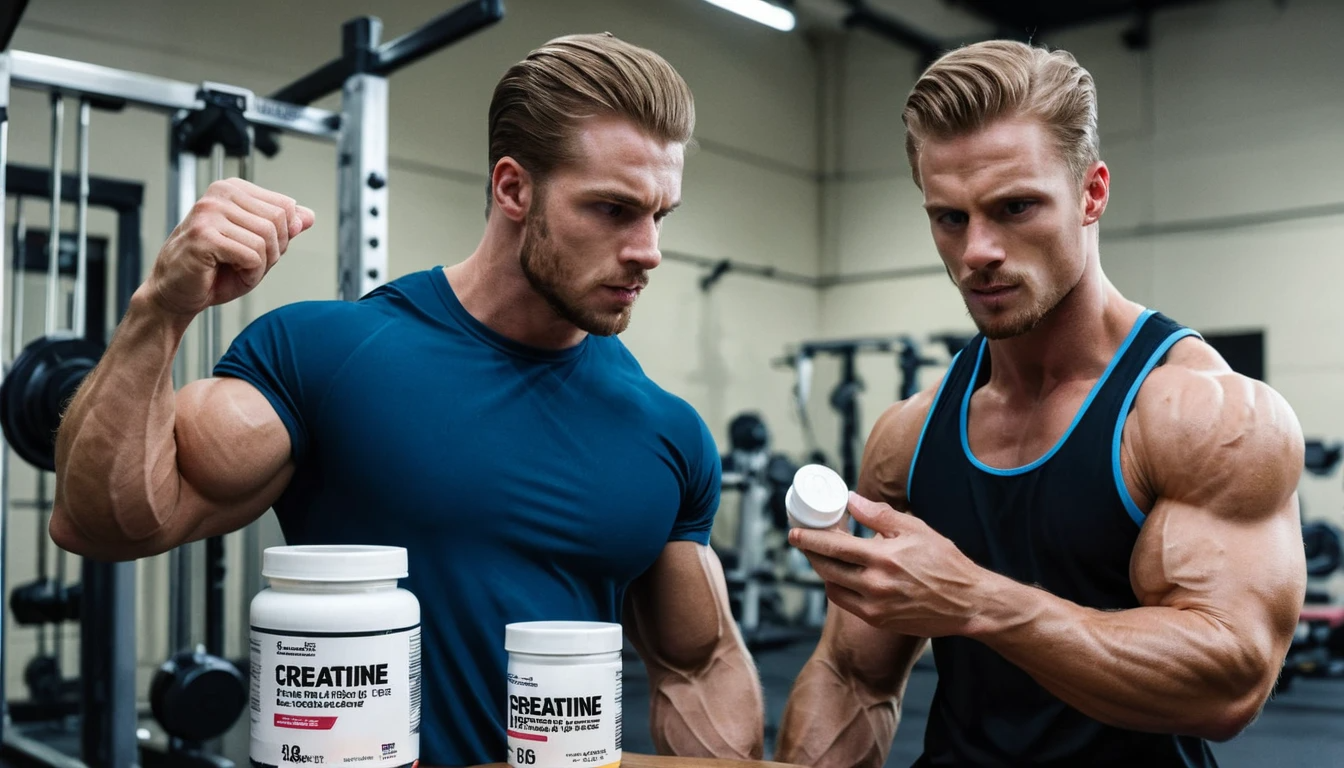
Does creatine show up on a drug test? Learn how drug tests work, whether creatine is banned, and what athletes should know before testing.
Does creatine show up on a drug test? No, creatine does not appear on standard drug tests because it is a legal and naturally occurring supplement. Most workplace and athletic screenings only test for illegal drugs or banned substances, not creatine. However, low-quality supplements with hidden ingredients could still create testing risks.
Does Creatine Show Up On A Drug Test?
Many athletes, gym-goers, and fitness beginners use creatine daily to improve strength and recovery 💪. Still, confusion exists because some people mix up creatine with steroids or banned performance enhancers. Understanding how drug tests work can help you avoid stress and misinformation.
🧪 What Is Creatine And Why Do People Use It?
Creatine is a natural compound stored mainly in your muscles. Your body produces it from amino acids in the liver and kidneys. You also get small amounts from foods like beef and seafood. Most people use creatine supplements to improve workout performance and muscle recovery.
Creatine helps your muscles produce quick energy during high-intensity exercise. That is why it is popular among weightlifters, athletes, and fitness enthusiasts. Many studies show it can improve strength, power, and lean muscle growth over time.
People often take creatine in powder form mixed with water or shakes. It is one of the most researched sports supplements available today. Unlike illegal substances, creatine is legal in the United States and widely sold in stores.
🔍 How Do Drug Tests Actually Work?
Drug tests look for specific substances or chemical markers in the body. Employers, sports organizations, and law enforcement agencies use these tests for safety and compliance. The most common method is a urine drug test.
Most standard tests screen for drugs such as:
- Marijuana
- Cocaine
- Amphetamines
- Opiates
- PCP
These tests do not normally search for vitamins or legal workout supplements. Creatine is not included in standard testing panels. That means taking creatine alone should not trigger a positive drug test.
Different organizations may use different testing methods. Professional sports leagues sometimes use advanced testing for banned performance-enhancing drugs. Even then, creatine itself is generally allowed.
| Common Drug Test Type | What It Detects | Does It Test For Creatine? |
| Urine Test | Illegal drugs and metabolites | No |
| Blood Test | Active substances in blood | Rarely |
| Hair Follicle Test | Long-term drug use | No |
| Saliva Test | Recent drug exposure | No |
💪 Is Creatine Considered A Steroid?
One of the biggest myths online is that creatine is a steroid. This is completely false. Creatine and anabolic steroids are very different substances.
Steroids are synthetic hormones designed to mimic testosterone. They can dramatically alter muscle growth and hormone levels. Many sports organizations ban steroids because they provide unfair advantages and carry serious health risks.
Creatine works differently. It supports energy production in muscle cells without changing hormone levels. It does not contain testosterone or any illegal compounds. That is why creatine is legal for both recreational and competitive athletes.
Unfortunately, confusion happens because both steroids and creatine are associated with muscle growth. Some people assume any muscle-building supplement must be dangerous. In reality, creatine has a strong safety profile when used correctly.
⚖️ Is Creatine Legal In Sports?
Most major sports organizations allow creatine use. Athletes in football, basketball, baseball, and Olympic sports commonly use it for performance support.
Organizations that generally allow creatine include:
- NCAA
- NFL
- NBA
- UFC
- International Olympic Committee
However, athletes should still be careful when choosing supplements. Some low-quality products may contain hidden banned substances. This issue is called supplement contamination.
Always buy supplements from trusted brands that use third-party testing. A contaminated supplement could lead to a failed drug test even if the label looks safe 😟.
🏋️ Why Athletes Use Creatine Before Training
Creatine remains popular because it can improve exercise performance naturally. Many users notice better power output during short bursts of activity like sprinting or lifting weights.
Benefits commonly associated with creatine include:
- Increased muscle strength
- Better workout recovery
- Improved athletic performance
- Enhanced muscle fullness
- Increased training endurance
Athletes often use creatine monohydrate because it is affordable and heavily researched. Most experts consider it the gold standard form of creatine.
Many users also report mental performance benefits during intense training periods. Some studies suggest creatine may support cognitive function under stress.
🚨 Can Creatine Affect Drug Test Results Indirectly?
Creatine itself will not cause a failed drug test. However, it can sometimes influence certain urine test measurements. This is where confusion begins.
Drug testing labs often measure creatinine levels in urine. Creatinine is a waste product formed when creatine breaks down naturally in the body. High creatinine levels can occur in people who use creatine supplements regularly.
Labs use creatinine measurements to determine whether urine samples are diluted. Extremely low creatinine levels may suggest someone drank excessive water before testing. High creatinine from supplementation usually does not cause a failed result.
Still, unusual lab values may lead to additional screening in rare cases. This does not mean creatine is banned. It simply means the lab wants accurate results.
| Substance | Purpose In Testing | Problematic? |
| Creatine | Muscle energy support | No |
| Creatinine | Urine concentration marker | Usually no |
| Steroids | Hormone enhancement | Yes |
| Amphetamines | Stimulant drug detection | Yes |
🧬 What Is Creatinine And Why Does It Matter?
Creatinine is often confused with creatine because the names sound alike. They are related but not identical. Creatinine forms naturally when muscles use creatine for energy.
Doctors and testing labs measure creatinine for several reasons. It can indicate kidney function and hydration levels. Drug testing facilities also use it to confirm urine samples are valid.
If someone drinks huge amounts of water before a test, creatinine levels may appear unusually low. This can suggest sample dilution. Some people incorrectly think taking creatine can “beat” a drug test, but there is little evidence supporting that idea.
Trying to manipulate a drug test is risky and often ineffective. Most modern labs can detect tampering methods quickly.
🥤 Can Creatine Help You Pass A Drug Test?
This question appears frequently online. Some websites claim creatine can help mask drug use. These claims are misleading and unreliable.
The idea comes from dilution methods. People sometimes drink excessive water before testing, which lowers urine concentration. Since labs check creatinine levels, some users take creatine hoping to normalize those readings.
However, drug testing technology has become very advanced. Labs can detect dilution and suspicious patterns easily. Relying on creatine to cheat a test is not a dependable strategy.
The safest approach is simple:
- Avoid illegal substances
- Use supplements responsibly
- Stay hydrated normally
- Follow testing instructions honestly
Attempting shortcuts can create more problems than solutions ⚠️.
🧠 Does Creatine Stay In Your System Long?
Creatine does not behave like illegal drugs in the body. It naturally cycles through muscle tissue and energy production. Most excess creatine leaves the body through urine.
People who stop taking creatine usually return to normal baseline levels within several weeks. However, there is no standard “detection window” because drug tests are not searching for creatine in the first place.
Factors affecting creatine levels include:
- Body size
- Muscle mass
- Water intake
- Dosage
- Exercise habits
Daily supplementation keeps muscle creatine stores elevated. Once supplementation stops, those stores gradually decline over time.
🥩 Natural Foods That Contain Creatine
Many people forget creatine already exists in everyday foods. Your body naturally consumes and produces creatine regularly.
Foods rich in creatine include:
- Red meat
- Salmon
- Tuna
- Pork
- Herring
This is another reason drug tests do not target creatine. Detecting it would make little sense because healthy diets naturally contain it.
Vegetarians sometimes choose creatine supplements because plant-based diets provide lower natural creatine intake. Some research suggests they may notice stronger supplementation benefits.
| Food Source | Approximate Creatine Content |
| Beef | High |
| Salmon | Moderate |
| Tuna | Moderate |
| Chicken | Lower |
| Plant Foods | Very Low |
🏢 Will Employers Care About Creatine Use?
Most employers do not care whether someone takes creatine. Workplace drug testing focuses on illegal drugs and substances that impair judgment or safety.
Creatine is widely accepted as a legal fitness supplement. It is sold openly in nutrition stores, pharmacies, and supermarkets across the U.S. Many employees use it without any issues.
Still, some employers may ask about all supplements during medical evaluations. Being honest about legal supplement use is usually the best policy. Transparency prevents misunderstandings.
If you work in a highly regulated field, always review company policies carefully. Certain professions may have stricter wellness guidelines.
🏅 Does Creatine Cause False Positives?
False positives happen when a test incorrectly identifies a legal substance as an illegal drug. Fortunately, creatine itself is not known for causing false positives on standard drug screenings.
Problems usually occur because of contaminated supplements rather than creatine alone. Some supplement manufacturers add undeclared ingredients to boost product effects. These hidden substances can include stimulants or banned compounds.
To reduce risk, choose products with certifications such as:
- NSF Certified for Sport
- Informed Choice
- USP Verified
Quality matters when buying any supplement. Cheap products from unknown companies carry higher contamination risks.
📋 Tips For Taking Creatine Safely
Creatine is considered safe for most healthy adults when used properly. Still, following smart supplementation habits matters.
Here are a few helpful tips:
Choose Trusted Brands
Buy products tested by independent organizations. Third-party certification improves quality assurance and safety.
Stay Properly Hydrated 💧
Creatine helps muscles hold water. Drinking enough fluids supports healthy performance and comfort.
Follow Recommended Dosages
Most users take 3–5 grams daily. Taking excessive amounts rarely provides extra benefits.
Talk To Your Doctor
People with kidney conditions or other medical concerns should consult a healthcare provider before starting supplementation.
🤔 Why So Many Myths Exist About Creatine
The supplement industry is full of confusion and marketing hype. Many people hear rumors online without checking scientific facts.
Creatine became popular in bodybuilding communities decades ago. Because of its muscle-related benefits, critics often grouped it together with steroids unfairly. Movies and media also fueled misunderstandings about gym supplements.
Social media continues spreading misinformation today. One viral post can create panic even when the science says otherwise. That is why learning from reliable information matters.
“Legal supplements and illegal drugs are not the same thing. Understanding the difference protects both your health and peace of mind.”
📈 What Science Says About Creatine Safety
Researchers have studied creatine for many years. Scientific evidence generally supports its safety for healthy individuals using recommended doses.
Studies suggest creatine may support:
- Muscle strength
- Exercise recovery
- Sprint performance
- Resistance training results
Some researchers are even exploring possible brain health benefits. However, more research is still needed in those areas.
Most side effects are mild and manageable. Users may experience temporary bloating or water retention during early supplementation. Serious complications are uncommon in healthy adults.
🔥 Common Mistakes People Make Before Drug Tests
People often panic before drug screenings and make poor decisions. Fear and misinformation can create unnecessary stress.
Avoid these common mistakes:
- Drinking extreme amounts of water
- Using fake detox products
- Taking random supplements without research
- Following unreliable internet advice
- Hiding supplement use from medical professionals
A calm and informed approach works best. If you only use legal supplements like creatine, there is usually little reason to worry.
🎯 Should You Stop Taking Creatine Before A Test?
Most people do not need to stop creatine before a standard drug test. Since it is legal and not commonly screened, discontinuing use is usually unnecessary.
Some athletes may temporarily stop supplementation before weigh-ins or competitions because creatine can increase water retention. That decision is performance-related rather than drug-test related.
If you feel uncertain, speak with your coach, doctor, or employer beforehand. Professional guidance can ease anxiety and clarify expectations.
For the average gym-goer or employee, creatine use should not create testing problems.
Conclusion
Creatine does not show up on standard drug tests because it is a legal and naturally occurring substance. It is not a steroid, narcotic, or banned recreational drug. Most employers and sports organizations allow creatine use without concern.
The real issue comes from low-quality supplements that may contain hidden ingredients. Choosing trusted brands and following proper dosages can help you stay safe and confident. If you use creatine responsibly, you are unlikely to face problems during a drug screening.
FAQs
Does creatine fail a urine drug test?
No, creatine alone does not cause a failed urine drug test. Standard tests do not screen for creatine as an illegal substance. It is considered a legal dietary supplement.
Can military drug tests detect creatine?
Military drug tests generally focus on illegal drugs and prohibited substances. Creatine is not usually part of standard testing panels. However, contaminated supplements could still create risks.
Does creatine affect urine test results?
Creatine may slightly affect creatinine levels in urine. Labs sometimes review these values for hydration and sample validity. This usually does not cause a failed test.
Can athletes take creatine legally?
Yes, most sports organizations allow creatine use. It is widely used among professional and amateur athletes. Athletes should still choose certified supplements carefully.
How long does creatine stay in urine?
Creatine levels decline gradually after stopping supplementation. Most excess creatine leaves through urine over several weeks. Drug tests normally do not monitor creatine levels anyway.

How TeleDoctor Services Are Changing The Way Patients Access Healthcare

Does Creatine Show Up On A Drug Test? Clear Truth

How A Bionic Finger Neck Shoulder Massager Helps Relieve Daily Muscle Tension

Smart Hand Massager Vs Traditional Massage: Fast Relief Wins

Drip Nutrients Guide: Powerful Benefits For Plants
-
 Healthcare Systems6 years ago
Different Types of Healthcare Systems
-

 Fitness6 years ago
Pilates Reformer Compared to the Tower: Which Should You Choose?
-
 Healthy Living8 years ago
14 Coffee Substitutes That Will Help Keep You Awake & Energized
-
Healthcare Systems5 years ago
How Administrative Tasks Adversely Affect Physicians And Patients