
Fitness
Pilates Routines For Core Strength Beginners – Powerful & Positive

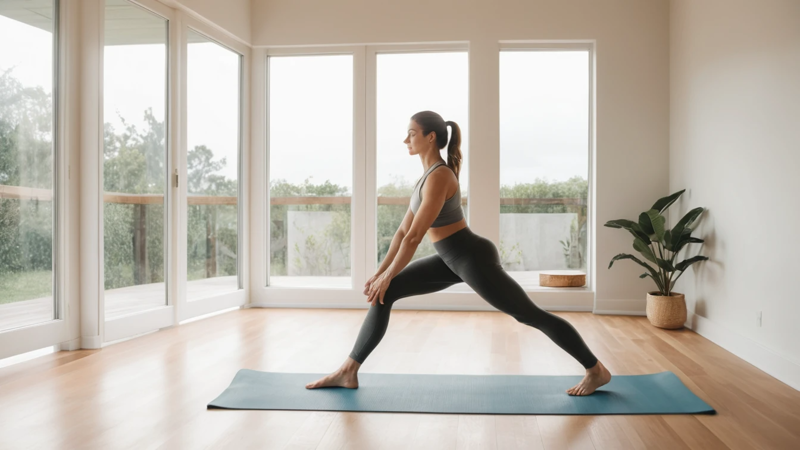
Pilates routines for core strength beginners help you build a strong core safely with simple, low-impact moves you can do at home.
Pilates routines for core strength beginners focus on slow, controlled movements that activate deep core muscles. These routines improve balance, posture, and stability without stressing your joints. They’re ideal if you’re new to fitness or want a gentle yet effective way to strengthen your core.
Pilates Routines For Core Strength Beginners
Ever feel like your core is weak even after doing crunches? You’re not alone. Many beginners struggle because they train the wrong muscles or rush the movements. Pilates flips that approach and teaches your body to move smarter, not harder 😊
Pilates routines for core strength beginners are designed to build strength from the inside out. They target deep abdominal muscles that support your spine and improve everyday movement. Let’s break it all down in a way that feels simple, safe, and doable.
What Core Strength Really Means In Pilates 🧠
Core strength in Pilates goes beyond visible abs. It includes deep muscles like the transverse abdominis and pelvic floor. These muscles act like a natural support belt for your spine.
When these muscles are strong, your body moves with better control. Everyday actions like bending or lifting feel easier. Pilates trains these muscles through slow, precise movements that beginners can manage.
Why Pilates Is Perfect For Beginners 🌱
Pilates is low-impact and easy on the joints. That makes it ideal for beginners who want results without pain. You don’t need fancy equipment or a gym membership.
The exercises focus on form and breathing. This helps prevent injury while improving body awareness. Beginners often feel stronger within weeks, not months.
How Pilates Strengthens Your Core Safely 🔒
Pilates uses controlled resistance instead of force. Each movement engages the core before anything else moves. This keeps your spine protected at all times.
You learn to stabilize first, then move with purpose. This method builds strength evenly and safely. It’s one reason physical therapists often recommend Pilates.
Essential Pilates Breathing For Core Activation 🌬️
Breathing is a big deal in Pilates. You inhale through the nose and exhale through the mouth. The exhale gently pulls your core inward.
This breathing pattern activates deep muscles naturally. It also keeps movements smooth and controlled. Beginners often notice better focus and less tension.
Beginner Pilates Warm-Up Moves 🔥
A proper warm-up wakes up your core muscles. It prepares your body for safe movement. Never skip this step.
Common warm-up moves include gentle spinal flexion and pelvic tilts. These movements increase blood flow and mobility. They also help you connect with your core early.
Pelvic Curl For Deep Core Strength 🌀
The pelvic curl is a classic beginner Pilates move. It strengthens the lower abs and glutes. It also improves spinal mobility.
You lie on your back and slowly lift your hips. Each vertebra peels off the mat one at a time. The slow pace keeps your core fully engaged.
The Hundred Modified For Beginners 💯
The Hundred sounds intense, but beginners use a modified version. Knees stay bent, and the head can rest down. The focus stays on breathing and control.
This move builds endurance in your core muscles. It also boosts circulation and coordination. Beginners should start with fewer counts and build up gradually.
Single Leg Toe Taps For Stability ⚖️
Toe taps are gentle but effective. They teach your core to stabilize while limbs move. This is key for beginners.
You lie on your back with knees lifted. One foot taps the floor at a time. The goal is to keep your pelvis still throughout.
Beginner-Friendly Core Moves Overview
| Pilates Move | Main Benefit | Beginner Difficulty |
| Pelvic Curl | Spine support | Very Easy |
| Toe Taps | Stability | Easy |
| Modified Hundred | Endurance | Moderate |
Leg Slides To Improve Core Control 🧘
Leg slides look simple, but they challenge your core. They help you control movement without rocking your hips. Beginners often feel these immediately.
You slide one leg out while lying flat. The core stays tight to prevent arching. Slow movement is the secret here.
Spine Stretch Forward For Ab Support 🪑
This stretch works more than flexibility. It strengthens the abdominals while improving posture. It’s gentle and beginner-safe.
You sit tall and slowly round forward. The movement comes from your core, not momentum. It teaches proper spinal alignment.
Side-Lying Leg Lifts For Obliques 🔄
Obliques help with twisting and balance. Side-lying leg lifts target these muscles gently. They also strengthen hips and thighs.
You lie on your side and lift the top leg slowly. The core stabilizes your body throughout. Beginners should focus on control, not height.
Modified Plank For Core Confidence 🧱
Planks can be intimidating for beginners. Pilates offers a modified version on knees. This builds strength without strain.
The focus stays on alignment and breathing. Even short holds are effective. Over time, beginners gain confidence and endurance.
Weekly Beginner Pilates Routine Plan
| Day | Focus Area | Time Needed |
| Monday | Core Basics | 20 Minutes |
| Wednesday | Stability | 20 Minutes |
| Friday | Strength + Stretch | 25 Minutes |
How Often Beginners Should Do Pilates 📅
Consistency matters more than intensity. Beginners should aim for 2–3 sessions per week. Each session can be short and effective.
Rest days help muscles recover and grow. Over time, you can increase duration or add new moves. Slow progress keeps results lasting.
Common Beginner Mistakes To Avoid 🚫
Many beginners rush through movements. Speed reduces effectiveness and increases risk. Pilates rewards patience.
Another mistake is holding breath during exercises. Proper breathing activates the core better. Always prioritize form over reps.
How To Know Your Core Is Working ✅
You may feel gentle tension, not pain. The movement should feel controlled and steady. Shaking is normal at first.
You should also feel more aware of posture. Daily activities may feel easier. These are signs your core is strengthening.
Core Engagement Checklist For Beginners
- Pull belly gently inward
- Keep spine neutral
- Breathe steadily
- Move slowly and smoothly
Pilates Vs Traditional Core Workouts 🤔
Traditional workouts often focus on surface muscles. Pilates targets deep stabilizers first. This creates better overall strength.
Pilates also improves posture and balance. Many beginners find it more sustainable long-term. It feels challenging yet calming.
Staying Motivated As A Beginner 💪
Set small, realistic goals. Celebrate consistency, not perfection. Even 10 minutes counts.
Tracking progress helps motivation. You’ll notice better control and less back discomfort. That’s a win worth celebrating 🎉
Conclusion 🌟
Pilates routines for core strength beginners offer a safe, effective way to build a strong foundation. These exercises focus on control, breathing, and deep muscle activation. With consistency, beginners gain better posture, balance, and confidence. Start slow, stay mindful, and let strength grow naturally.
FAQs ❓
What Is The Best Pilates Routine For Core Beginners?
The best routine includes pelvic curls, toe taps, and modified planks. These moves are gentle and effective. They build strength without strain.
Can Beginners Do Pilates At Home Safely?
Yes, beginners can safely practice at home. Use a mat and follow slow movements. Focus on form and breathing.
How Long Until Pilates Improves Core Strength?
Most beginners feel changes in 2–3 weeks. Strength improves with consistent practice. Posture often improves first.
Is Pilates Better Than Crunches For Beginners?
Pilates is often better for beginners. It protects the spine and targets deep muscles. Crunches can strain the neck and back.
How Many Minutes Of Pilates Should Beginners Do?
Beginners can start with 15–25 minutes per session. Short sessions still deliver results. Consistency matters most.

How TeleDoctor Services Are Changing The Way Patients Access Healthcare

Does Creatine Show Up On A Drug Test? Clear Truth

How A Bionic Finger Neck Shoulder Massager Helps Relieve Daily Muscle Tension

Smart Hand Massager Vs Traditional Massage: Fast Relief Wins

Drip Nutrients Guide: Powerful Benefits For Plants
-
 Healthcare Systems6 years ago
Different Types of Healthcare Systems
-
 Fitness6 years ago
Pilates Reformer Compared to the Tower: Which Should You Choose?
-
 Healthy Living8 years ago
14 Coffee Substitutes That Will Help Keep You Awake & Energized
-
Healthcare Systems6 years ago
How Administrative Tasks Adversely Affect Physicians And Patients