
Health A-Z
Head And Shoulders For Acne: Powerful Skincare Relief Solution

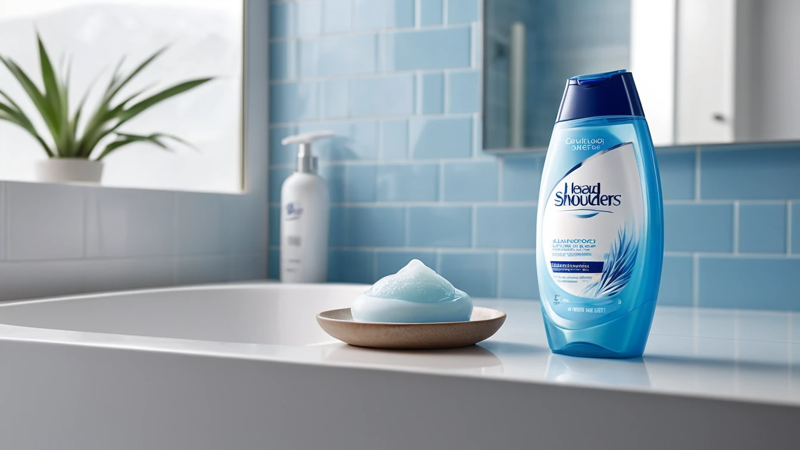
Head and Shoulders for acne works by reducing oil, calming inflammation, and targeting bacteria for clearer skin fast.
Head and Shoulders can help some people reduce acne by fighting excess oil, calming irritated skin, and lowering fungus-related breakouts, thanks to ingredients like zinc pyrithione.
Have you ever looked at a bottle of Head and Shoulders and wondered, “Could this actually help my acne?” It sounds strange at first. After all, it’s made for dandruff, not breakouts. But many people claim it clears pimples on the face, chest, and back. So what’s the truth?
Here’s the short and direct answer: Yes, Head and Shoulders may help with certain types of acne, especially fungal acne and mild inflammatory breakouts. But it’s not a miracle cure, and it doesn’t work for everyone.
Below, we’ll break everything down in simple, friendly language so you know exactly how it works, when to try it, and when to avoid it.
What Makes Head And Shoulders Work For Acne? 🧴
Head and Shoulders contains zinc pyrithione, a powerful ingredient used to fight dandruff. But it also has antibacterial and antifungal properties. This means it can lower the growth of microbes linked to some breakouts.
When bacteria and fungus calm down, your skin may look less red and irritated. This is why some dermatologists recommend it for the body and scalp. But keep in mind that every skin type reacts differently.
Head and Shoulders also removes extra oil from the skin. Less oil can sometimes mean fewer clogged pores and fewer pimples.
How Head And Shoulders Helps Reduce Breakouts 😊
The shampoo works in several ways that benefit acne-prone skin. It cleans deeply and washes away dirt, sweat, and buildup. This helps prevent new clogged pores from forming.
Another benefit is reduced inflammation. If you have red or itchy bumps, the calming ingredients may soothe your skin. This can make your acne look milder over time.
Many people notice results faster on the chest or back because the skin there is thicker. Facial skin may be more sensitive, so always test slowly.
Fungal Acne VS Regular Acne: Why Head And Shoulders Works 🧬
Not all acne is the same. Some breakouts come from bacteria, and others come from yeast overgrowth on the skin. Fungal acne looks like small, uniform bumps that itch.
Head and Shoulders can help fungal acne because it targets the yeast that causes it. Regular acne from hormones, stress, or clogged pores might not respond the same way.
Here’s a simple breakdown:
- Works Best For: Fungal acne, body acne, yeast-related breakouts.
- May Help With: Mild inflammatory acne.
- Not Effective For: Deep cystic acne or hormonal acne.
How To Use Head And Shoulders For Acne (Safely) ✨
Using the product the right way matters. Start slowly to avoid irritation. Most people use it once daily or every other day, depending on their skin type.
Apply a small amount to wet skin and massage gently. Let it sit for about 60 seconds before rinsing. This gives the active ingredients time to work.
If your skin feels tight, dry, or red, use it less often. Everyone’s skin reacts differently, so pay attention to how yours responds.
Side Effects You Should Know 🚫
Just because a product works doesn’t mean it works for everyone. Some people experience dryness because dandruff shampoos remove oil aggressively.
You might also notice mild redness or sensitivity, especially on the face. If this happens, reduce your usage or stop altogether. For most people, side effects fade once the skin adjusts.
If you have eczema or extremely sensitive skin, test on a small patch first to avoid irritation.
Best Types Of Head And Shoulders For Acne Relief ⭐
Not every version works the same. The classic formula is usually best for acne-prone skin because it contains zinc pyrithione. The smooth and silky or heavily scented versions may include extra conditioners.
Here is a quick comparison:
- Classic Clean: Best for acne.
- Clinical Strength: Great for stubborn fungal acne.
- 2-in-1 Formulas: Avoid if you break out easily due to conditioning agents.
Stick to a simple formula if your skin is sensitive or acne-prone.
Comparison Table Of Popular Head And Shoulders Versions
| Type | Best For | Why It Works |
| Classic Clean | Mild acne, oily skin | Light formula, strong antifungal action |
| Clinical Strength | Chest/back fungal acne | Higher active ingredient concentration |
| 2-in-1 Shampoo | Not recommended | Conditioners may clog pores |
How Long Does It Take To See Results? ⏳
Most people notice improvement in 1–2 weeks, especially with fungal acne. Body acne may clear up faster than facial acne.
If your skin doesn’t show any changes after four weeks, it may not be the right solution. At that point, switching to another treatment might work better.
Remember, consistency matters. Quick fixes rarely work long-term, so be patient with the process.
Common Mistakes People Make When Using It 😬
It’s easy to overdo it. Many people think using more product means better results, but that just leads to dryness. Keep your routine simple and balanced.
Another mistake is scrubbing the skin too hard. Gentle cleansing works better than friction. Also, avoid using strong exfoliants on the same day to prevent irritation.
Lastly, don’t forget to moisturize. Light, non-comedogenic gels work well with this routine.
Signs Head And Shoulders Is Working
| Improvement Sign | What It Means |
| Less redness | Skin barrier is calming |
| Fewer bumps | Yeast and bacteria are reduced |
| Smoother texture | Pores are less clogged |
What To Pair With Head And Shoulders For Faster Results 💡
You can combine the shampoo with gentle skincare to boost results. Products with niacinamide help calm redness and support the skin barrier.
Lightweight moisturizers help keep the skin hydrated without clogging pores. Sunscreen is also important, especially if your skin becomes more sensitive.
Avoid mixing with harsh acne treatments like benzoyl peroxide until you know how your skin reacts.
Natural Alternatives If Head And Shoulders Isn’t For You 🌿
Not everyone likes medicated shampoos. If you prefer natural options, tea tree oil cleansers are a great alternative. They offer similar antifungal benefits.
Aloe vera gel can soothe irritated skin. Its cooling effect may help with redness and mild inflammation.
You can also try sulfur-based soaps. Sulfur helps with fungal acne and excess oil without stripping the skin too harshly.
Quick Alternative Comparison
| Alternative | Benefits | Best For |
| Tea Tree Cleanser | Antifungal, calming | Mild breakouts |
| Aloe Vera | Soothing, hydrating | Irritated skin |
| Sulfur Soap | Reduces oil, fights yeast | Fungal acne |
When You Should Avoid Using Head And Shoulders ❗
If you have open wounds, cuts, or severe irritation, skip the shampoo until your skin heals. Using it on broken skin can cause stinging or discomfort.
People with eczema, rosacea, or severe dryness should be extra cautious. These skin types may react strongly to the active ingredients.
If you’re unsure, start with a patch test on the arm or back.
Can You Use It On Your Face? Here’s The Truth 🧼
Yes, you can use it on your face, but only if your skin tolerates it. Facial skin is thin and sensitive, so start slowly. Most people do well using it once every two days.
Avoid the eye area completely. If your skin becomes dry, reduce usage or switch to body-only application.
Many people report best results when using it on the forehead, chin, and cheeks where oil tends to build up.
Does It Work For Body Acne Too? Absolutely! 💪
Body acne, especially on the chest and back, responds well to dandruff shampoo. These areas produce more oil and are less sensitive than the face.
Use it like a body wash in the shower. Leave it on for a minute and rinse well. This helps kill yeast and bacteria that cause breakouts.
It’s also a great option for people who work out often or sweat heavily.
Is It Safe For Daily Use? ✔️
Most people can use it daily on the body. For the face, daily use may be too strong. Listen to your skin and adjust your routine as needed.
If you notice peeling or tightness, add a lightweight moisturizer. This helps maintain balance while still controlling acne.
Daily use works best for oily skin types. Normal or dry skin may need fewer applications.
Final Thoughts: Should You Try Head And Shoulders For Acne? 🌟
Head and Shoulders can be a surprisingly effective acne solution for many people. If your breakouts are fungal or mild, you may see fast, noticeable improvements. It’s affordable, easy to find, and simple to use.
Just remember that not all acne is the same. What works for one person may not work for another. But if you’re curious and want a gentle starting point, this shampoo is worth trying.
Keep your routine simple, moisturize well, and stay consistent. Clearer skin often comes from small, steady habits—not quick fixes.
FAQs
Does head and shoulders help with face acne?
Yes, it may help mild acne or fungal acne. Use it gently and only a few times per week. Stop if your skin becomes irritated.
How long to use head and shoulders for acne?
Most people see changes within 1–2 weeks. Continue using it if your skin responds well. Stop if irritation develops.
Is head and shoulders good for back acne?
Yes, it works well on body acne because the skin is thicker. Use it like a body wash and rinse completely. Keep usage consistent for best results.
Can I use moisturizer after head and shoulders?
Absolutely, and it’s recommended. Choose a lightweight, non-comedogenic moisturizer. This helps balance dryness.
Which head and shoulders is best for acne?
Classic Clean is usually the best option. Clinical Strength works for stubborn fungal acne. Avoid heavy 2-in-1 formulas.

How TeleDoctor Services Are Changing The Way Patients Access Healthcare

Does Creatine Show Up On A Drug Test? Clear Truth

How A Bionic Finger Neck Shoulder Massager Helps Relieve Daily Muscle Tension

Smart Hand Massager Vs Traditional Massage: Fast Relief Wins

Drip Nutrients Guide: Powerful Benefits For Plants
-
 Healthcare Systems6 years ago
Different Types of Healthcare Systems
-
 Fitness6 years ago
Pilates Reformer Compared to the Tower: Which Should You Choose?
-
 Healthy Living8 years ago
14 Coffee Substitutes That Will Help Keep You Awake & Energized
-
Healthcare Systems6 years ago
How Administrative Tasks Adversely Affect Physicians And Patients