
Dental Care
Dental Bone Spur Pictures: Clear Signs & Easy Relief

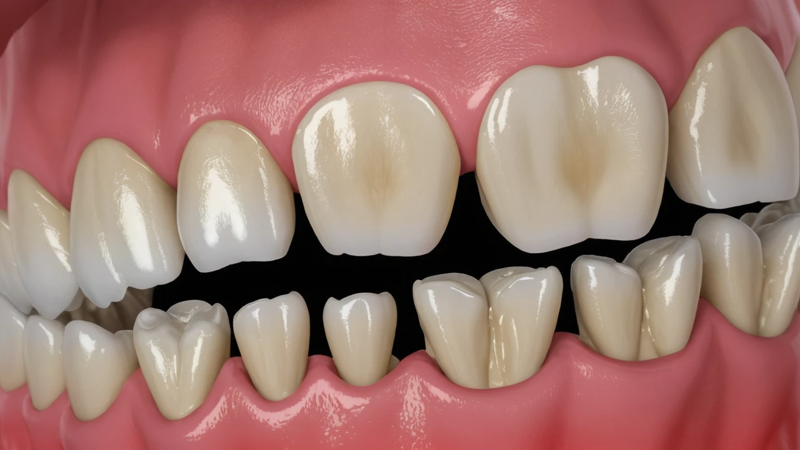
Dental bone spur pictures help identify sharp jawbone fragments after dental work. Learn causes, symptoms, healing tips, and treatment options.
A dental bone spur is a small, sharp piece of bone that pushes through the gum after dental surgery or tooth extraction. Many people notice it while healing because it feels rough, painful, or pokey inside the mouth. Dental bone spur pictures often show tiny white or yellowish fragments sticking out of swollen gum tissue.
Dental Bone Spur Pictures: What They Really Look Like
Have you ever felt something sharp in your gums after a tooth extraction and wondered if your mouth was healing the wrong way? 😟 Many people panic when they notice a hard piece poking through the gums. The good news is that dental bone spurs are usually common and treatable.
A dental bone spur, also called a bone spicule or bone fragment, happens when a tiny piece of jawbone surfaces during healing. This condition often appears after wisdom tooth removal, implants, or difficult extractions. In many cases, the body naturally pushes the fragment out over time. However, some people need professional dental treatment if pain or infection develops.
🦷 What Is A Dental Bone Spur?
A dental bone spur is a small fragment of bone left behind after oral surgery or trauma. It may slowly rise through the gum tissue as the mouth heals. This process can feel uncomfortable because the sharp edge irritates nearby tissue. Most bone spurs are harmless, but they can become painful if ignored.
Many patients first discover the issue while brushing or eating. The area may feel rough, pointy, or sore. Some people compare the sensation to having a popcorn kernel stuck under the gums. Dental bone spur pictures usually show a tiny white object peeking through pink or swollen gum tissue.
The body naturally removes dead or loose bone during recovery. That means the spur may work itself out without treatment. Still, persistent pain should never be ignored because infection is possible.
📸 What Dental Bone Spur Pictures Usually Show
Dental bone spur pictures often reveal a small white or yellow piece sticking out of the gums. The surrounding area may appear red, swollen, or irritated. In some photos, the fragment looks like a sharp splinter or tiny tooth shard. The size can vary from barely visible to several millimeters long.
People searching for these pictures usually want reassurance. They want to compare their symptoms with real healing experiences. Seeing similar images often helps reduce anxiety after dental surgery. It also helps patients decide when to contact a dentist.
Here’s what dental bone spur images commonly display:
- Sharp white edge under the gum
- Tiny bone fragment emerging from tissue
- Redness around the extraction site
- Swelling near healing gums
- Mild bleeding or irritation
| Common Appearance | What It Means |
| White pointed fragment | Exposed bone piece |
| Red swollen gums | Healing irritation |
| Small hard bump | Bone under tissue |
| Yellowish shard | Bone or tissue debris |
| Tender extraction site | Recovery inflammation |
😬 Why Bone Spurs Happen After Tooth Extraction
Bone spurs commonly develop after difficult tooth extractions. During surgery, small jawbone pieces may break loose and remain behind. As the gums heal, the body pushes those fragments toward the surface. This is part of the natural healing process.
Wisdom tooth surgery is one of the most common causes. Larger teeth often require more pressure and bone removal during extraction. That increases the chance of tiny fragments forming afterward. Dental implants and gum surgeries may also trigger bone spicules.
Several factors raise the risk of developing bone fragments:
- Complex tooth extractions
- Wisdom tooth removal
- Bone graft procedures
- Dental implant surgery
- Poor healing conditions
Smoking and poor oral hygiene may also delay healing. When healing slows down, irritation becomes more noticeable and painful.
🩹 Symptoms That Often Match Dental Bone Spur Pictures
The most common symptom is a sharp feeling inside the gums. Patients often notice discomfort while eating or talking. The area may feel scratchy or tender against the tongue. Sometimes pain comes and goes throughout the day.
Other symptoms can include swelling and redness. Some people experience mild bleeding around the gum tissue. In severe cases, infection may develop near the exposed bone. This can cause bad breath, pus, or fever.
Watch for these warning signs:
- Persistent gum pain
- Sharp object sensation
- Swollen extraction site
- Difficulty chewing
- Gum irritation
- Foul taste in the mouth
A small spur is usually harmless. However, ongoing pain deserves professional attention.
⏳ How Long Do Dental Bone Spurs Last?
Most dental bone spurs disappear within a few weeks. The body either absorbs the fragment or pushes it out naturally. Smaller bone pieces may fall out on their own during brushing or rinsing. Healing speed depends on the individual and the surgery involved.
Some patients recover in just a few days. Others may deal with irritation for several months. Larger fragments usually require dental removal because they irritate surrounding tissue. Healing tends to improve quickly after extraction of the spur.
| Healing Timeline | What To Expect |
| 1–2 Days | Mild soreness and swelling |
| 1 Week | Bone fragment may appear |
| 2–4 Weeks | Natural expulsion possible |
| 1–3 Months | Full gum healing |
| Longer Than 3 Months | Dental evaluation needed |
Proper oral care can reduce discomfort and improve healing speed. Warm saltwater rinses are especially helpful during recovery.
🦷 Bone Spur Vs Dry Socket: Know The Difference
Many people confuse dental bone spurs with dry socket because both conditions happen after extraction. However, they are very different problems. A dry socket occurs when the blood clot falls out too early. This exposes nerves and bone inside the socket.
Bone spurs involve loose fragments surfacing through healing gums. The pain is usually more localized and sharp. Dry socket pain often feels deeper, throbbing, and severe. It can spread toward the ear or jaw.
Here are the key differences:
- Bone spur = sharp hard fragment
- Dry socket = missing blood clot
- Bone spur pain = poking irritation
- Dry socket pain = intense throbbing
- Bone spur may heal naturally
- Dry socket needs immediate treatment
Knowing the difference helps patients seek proper care quickly.
😮 Can Dental Bone Spurs Be Dangerous?
Most dental bone spurs are not dangerous. They are usually part of normal healing after oral surgery. However, complications may happen if bacteria enter the exposed area. Infection is the biggest concern.
An untreated infection can spread and worsen pain. Swelling may increase and chewing may become difficult. Some patients develop fever or pus near the extraction site. These symptoms require urgent dental care.
Seek help immediately if you notice:
- Severe swelling
- Fever or chills
- Pus drainage
- Intense pain
- Difficulty swallowing
- Bad odor from the gums
Ignoring serious symptoms may lead to delayed healing and additional procedures.
🪥 How Dentists Treat Dental Bone Spurs
Dentists first examine the area carefully. Small spurs may simply be monitored while healing continues. If the fragment is loose, the dentist may remove it quickly using sterile tools. The process is usually fast and minimally painful.
Larger spicules may require local anesthesia. The dentist gently lifts the gum tissue and smooths the exposed bone. Patients typically feel relief soon after treatment. Recovery often takes only a few days.
Common treatment options include:
- Monitoring natural healing
- Removing loose fragments
- Smoothing sharp bone edges
- Prescribing antibiotics
- Recommending pain relief methods
| Treatment Method | Purpose |
| Saltwater rinses | Reduce irritation |
| Bone fragment removal | Eliminate discomfort |
| Antibiotics | Prevent infection |
| Gum cleaning | Improve healing |
| Pain medication | Ease soreness |
Most procedures are simple and performed in a dental office.
🏠 Home Remedies For Bone Spur Discomfort
Home care can help reduce irritation while healing occurs. Warm saltwater rinses are one of the best remedies. They clean the area and reduce inflammation naturally. Rinsing several times daily often provides quick comfort.
Cold compresses may reduce swelling during the first 24 hours. Soft foods also help prevent gum irritation. Avoid crunchy or spicy foods because they may worsen pain. Good hydration supports faster healing as well 💧.
Helpful home remedies include:
- Warm saltwater rinses
- Ice packs on the cheek
- Soft foods like yogurt
- Gentle brushing
- Staying hydrated
- Avoiding smoking
Never attempt to remove the bone fragment yourself. Doing so may damage the gums and cause infection.
🍲 Foods To Eat While Healing
Soft foods are the safest choice during recovery. Hard or crunchy foods may scratch sensitive gums. Smooth textures reduce irritation and make eating easier. Nutritious meals also support tissue repair.
Many patients prefer soups, mashed potatoes, smoothies, and scrambled eggs. Yogurt and oatmeal are also excellent options. Avoid chips, nuts, and crusty bread until healing improves.
Good foods for healing include:
- Mashed potatoes
- Applesauce
- Yogurt
- Smoothies
- Scrambled eggs
- Oatmeal
- Soft pasta
Healthy eating can speed up oral recovery and reduce inflammation.
🚭 What Makes Bone Spurs Worse?
Smoking is one of the biggest healing problems after oral surgery. Tobacco reduces blood flow and slows tissue repair. This increases irritation and infection risk. Smokers often experience prolonged pain after extraction.
Poor oral hygiene can also worsen symptoms. Food debris may become trapped around the exposed bone. This encourages bacterial growth and gum inflammation. Stress and dehydration may also slow recovery.
Avoid these harmful habits:
- Smoking or vaping
- Drinking alcohol excessively
- Touching the area constantly
- Eating sharp foods
- Ignoring oral hygiene
- Skipping dental follow-ups
Healthy habits make healing smoother and less painful.
🧠 Why Dental Bone Spur Pictures Matter
Pictures help patients understand what they are experiencing. Many people feel scared when they notice something sharp in their gums. Seeing similar dental bone spur pictures online can reduce panic. It reassures patients that the condition is common.
Visual examples also help identify warning signs. Patients can compare color, swelling, and fragment size. However, online photos should never replace professional diagnosis. Every mouth heals differently.
Dental bone spur images are especially useful for:
- Comparing symptoms
- Understanding healing stages
- Recognizing infection signs
- Learning when to seek treatment
Education often reduces fear during dental recovery.
👩⚕️ When You Should Call A Dentist
Minor irritation is common after dental surgery. However, some symptoms should never be ignored. Severe pain lasting several days may signal infection or another complication. Persistent swelling also deserves attention.
If the fragment becomes larger or extremely painful, schedule an appointment quickly. Dentists can remove the spur safely and comfortably. Early treatment often prevents bigger problems later.
Call your dentist if you notice:
- Fever
- Persistent bleeding
- Swelling that worsens
- Trouble eating
- Severe jaw pain
- Pus or foul odor
Quick treatment protects your oral health and speeds recovery.
😄 Tips For Faster Oral Healing
Healing improves when you follow good recovery habits. Gentle oral care protects the surgical area. Brushing softly around the gums prevents irritation. Rest also helps the body repair tissue more effectively.
Drinking enough water supports circulation and healing. Nutritious foods provide vitamins needed for tissue repair. Avoiding stress may even reduce inflammation. Small healthy choices make a big difference.
For faster recovery:
- Sleep well
- Stay hydrated
- Eat soft healthy foods
- Avoid smoking
- Use saltwater rinses
- Follow dentist instructions carefully
Consistency matters more than perfection during recovery.
🦷 Are Bone Spurs Common After Wisdom Teeth Removal?
Yes, bone spurs are very common after wisdom tooth surgery. Wisdom teeth often require more invasive extraction methods. Dentists sometimes remove surrounding bone to access the tooth. Small fragments can remain behind afterward.
The healing area may feel rough for several weeks. Many patients think the fragment is a broken tooth piece. In reality, it is often a harmless jawbone fragment surfacing naturally. Dental bone spur pictures from wisdom tooth recovery usually show tiny white splinters near the back gums.
Fortunately, most cases heal without serious complications. Regular follow-up visits help ensure proper recovery.
🌟 How To Prevent Dental Bone Spurs
Not every bone spur can be prevented completely. However, healthy recovery habits lower the risk significantly. Following post-surgery instructions carefully improves healing quality. Dentists also use techniques to minimize loose bone fragments.
Keeping the mouth clean is extremely important. Saltwater rinses help remove debris and bacteria. Patients should also avoid touching the extraction site repeatedly. Good nutrition supports strong tissue repair.
Helpful prevention steps include:
- Following aftercare instructions
- Avoiding smoking
- Maintaining oral hygiene
- Eating soft foods
- Attending follow-up visits
Prevention starts with proper recovery care immediately after surgery.
Conclusion
Dental bone spur pictures help people recognize a common healing issue after tooth extraction or oral surgery. These sharp bone fragments often look alarming, but many cases heal naturally without major treatment. Understanding the symptoms, causes, and treatment options can reduce fear and improve recovery confidence 😊.
Most dental bone spurs disappear over time, especially with proper oral care and healthy habits. However, severe pain, swelling, or infection symptoms should always be evaluated by a dentist. Early treatment keeps healing safe, comfortable, and stress-free.
FAQs
What Does A Dental Bone Spur Feel Like?
A dental bone spur usually feels sharp or rough inside the gums. Many people describe it as a splinter-like sensation. The area may feel sore while chewing or brushing.
Can A Bone Spur Heal Without Removal?
Yes, many small bone spurs heal naturally over time. The body often pushes the fragment out during healing. Larger or painful spurs may need dental treatment.
Why Is White Bone Showing After Extraction?
White bone may appear because a small fragment is surfacing through the gums. This commonly happens after oral surgery. It is often part of the natural healing process.
How Painful Is A Dental Bone Spur?
Pain levels vary depending on the fragment size and location. Some people feel only mild irritation. Others experience sharp discomfort while eating or talking.
Can Wisdom Teeth Cause Bone Spurs Later?
Yes, wisdom tooth extractions frequently lead to bone spurs. The surgery often affects nearby jawbone tissue. Tiny fragments may appear weeks after the procedure.

How TeleDoctor Services Are Changing The Way Patients Access Healthcare

Does Creatine Show Up On A Drug Test? Clear Truth

How A Bionic Finger Neck Shoulder Massager Helps Relieve Daily Muscle Tension

Smart Hand Massager Vs Traditional Massage: Fast Relief Wins

Drip Nutrients Guide: Powerful Benefits For Plants
-
 Healthcare Systems6 years ago
Different Types of Healthcare Systems
-

 Fitness6 years ago
Pilates Reformer Compared to the Tower: Which Should You Choose?
-
 Healthy Living8 years ago
14 Coffee Substitutes That Will Help Keep You Awake & Energized
-
Healthcare Systems6 years ago
How Administrative Tasks Adversely Affect Physicians And Patients