
Mens Issues
Compare Hair Loss Treatments For Men – Powerful Guide With Proven Options

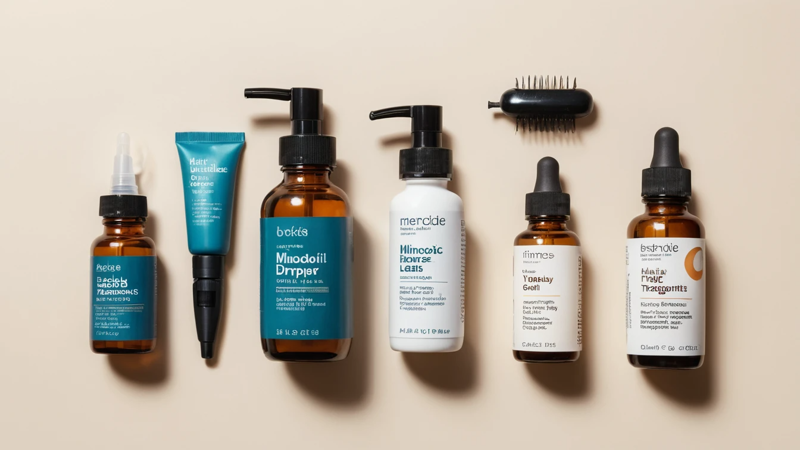
Compare hair loss treatments for men with clear pros, cons, and results to help you choose the right option confidently.
Hair loss treatments for men include medications, topical solutions, laser therapy, PRP, lifestyle changes, and hair transplants. Each option works differently, with unique benefits and limitations. Comparing effectiveness, cost, and long-term results helps men choose the best treatment for their needs.
Compare Hair Loss Treatments For Men
Have you ever wondered why some treatments seem to work fast for one guy but barely make a difference for someone else? 🤔 Hair loss feels personal, but choosing the right treatment shouldn’t be confusing.
The short answer is this: the best hair loss treatment depends on your hair type, cause of hair loss, budget, and how aggressive you want your results to be. Men often see great outcomes when combining treatments instead of relying on one.
Let’s break everything down in a simple, friendly, and practical way so you can pick the option that actually works for you.
Understanding Why Men Lose Hair 🧬
Hair loss in men usually starts slowly, and many don’t notice it until the hairline has already thinned. Most hair loss happens because of genetics, hormones, or aging. Sometimes stress, diet, or illness plays a part too.
Genetic hair loss, known as male pattern baldness, is the most common cause. This happens when hair follicles shrink because of the hormone DHT. When follicles shrink, hair becomes thin and eventually stops growing.
Other causes include poor nutrition, tight hairstyles, or medications. Understanding the root cause helps you choose the treatment that gives the best results.
Topical Treatments: Minoxidil (Rogaine) 🧴
Minoxidil is one of the most popular treatments because it is simple and effective for many men. It increases blood flow to the scalp and helps follicles stay in the growth phase longer. Many users notice thicker hair after consistent use for several months.
You can find minoxidil as a foam or liquid solution. It works best for early-stage hair thinning. However, it requires daily use to maintain results. Stopping treatment may reverse progress over time.
Oral Medications: Finasteride (Propecia) 💊
Finasteride is another widely used option for men who want to slow down male pattern baldness. It blocks DHT, the hormone responsible for shrinking hair follicles. Many men see new hair growth and reduced shedding within months.
The pill is taken once daily and works best when used consistently. Some men prefer finasteride because it treats hair loss from the inside. However, a small percentage may experience side effects, so talking with a doctor helps you decide if it’s right for you.
Comparing Minoxidil vs. Finasteride
| Feature | Minoxidil | Finasteride |
| How It Works | Boosts blood flow | Blocks DHT |
| Best For | Early thinning | Genetic hair loss |
| Usage | Applied daily | Taken daily |
| Results Timeline | 3–6 months | 3–4 months |
| Maintenance | Continuous use needed | Continuous use needed |
Low-Level Laser Therapy (LLLT) 🔦
Laser therapy is a non-invasive treatment that uses red light to stimulate hair follicles. Many men like it because it’s painless and easy to use at home. These devices come in combs, caps, or headbands.
The light energy encourages follicles to grow thicker hair over time. Treatments usually take a few minutes several times a week. While results vary, many users report improved density and reduced shedding after consistent use.
LLLT works best when paired with other treatments like minoxidil or finasteride. Combining therapies often helps create stronger and longer-lasting results.
PRP Therapy (Platelet-Rich Plasma) 💉
PRP therapy uses your own blood to promote hair growth. A doctor separates the platelets and injects them into thinning areas. Platelets contain growth factors that help revive weak hair follicles.
This treatment appeals to men who want a natural approach. Sessions usually take less than an hour, and results improve with repeated treatments. Many men notice thicker hair within months.
PRP is safe because it uses your own blood, but it can be costly. It also works best for mild to moderate thinning. Severe baldness may not respond as well.
Hair Transplant Surgery 🏥
Hair transplants are a long-term solution for men with significant hair loss. Doctors move healthy follicles from the back of the head to thinning areas. These transplanted hairs keep growing permanently because they are resistant to DHT.
There are two main transplant methods: FUT and FUE. FUT removes a strip of scalp, while FUE extracts individual follicles. Both methods deliver natural-looking results when done by skilled surgeons.
Though transplants cost more upfront, many men love the permanent improvement. It requires proper aftercare and a realistic understanding of what can be achieved.
FUT vs. FUE Hair Transplants
| Feature | FUT | FUE |
| Procedure | Strip method | Individual follicle extraction |
| Scarring | Linear scar | Tiny dot scars |
| Recovery Time | Longer | Shorter |
| Ideal Candidate | Large graft needs | Short-hair style preferred |
| Cost | Lower | Higher |
Natural Remedies and Lifestyle Changes 🌱
Some men prefer starting with natural treatments. While results may not be as dramatic as medical options, these methods help support overall hair health. Examples include scalp massages, essential oils, and nutritional improvements.
Maintaining a balanced diet helps hair stay strong. Hair needs vitamins, proteins, and minerals. Drinking water, reducing stress, and sleeping well also support hair growth.
Natural treatments work best as part of a larger plan. Combining them with proven medical treatments can boost results and support long-term hair health.
Nutritional Supplements for Hair Growth 🍎
Supplements like biotin, vitamin D, zinc, and collagen may help strengthen hair. Many men lack certain nutrients, which leads to weak or brittle strands. Supplements fill these gaps and support follicle health.
These options are easy to use daily and come in capsules, gummies, or powders. While supplements don’t cure male pattern baldness, they improve the environment for hair growth. This supports the effectiveness of other treatments.
Always choose high-quality products and follow recommended dosages. Consistency helps achieve noticeable changes over time.
Shampoos and Scalp Treatments 🧼
Specialized shampoos with ingredients like ketoconazole or caffeine can help reduce shedding. These formulas clean the scalp, remove buildup, and support healthier follicles. Many men use them alongside minoxidil or finasteride.
Shampoos are simple to add to your daily routine. They cleanse the scalp and improve the absorption of other treatments. Some also reduce irritation caused by topical products.
While shampoos alone won’t regrow hair, they play a helpful supporting role. Think of them as the foundation of your hair care routine.
Microneedling for Hair Growth 🪡
Microneedling creates tiny punctures in the scalp using a roller or pen device. This stimulates healing and increases blood flow. It also helps topical treatments absorb better.
Some men combine microneedling with minoxidil to improve results. The treatment is affordable and can be done at home or in a clinic. Many users notice thicker hair after several months.
It’s important to follow hygiene rules to avoid infection. Gentle pressure and proper cleaning help maintain safety and effectiveness.
Budget-Friendly Hair Loss Treatments 💵
Hair loss care doesn’t have to be expensive. Many men start with affordable options like minoxidil, shampoos, and supplements. These choices are widely available and easy to use every day.
Laser devices and PRP therapy cost more but may offer convenience or faster results. Hair transplants are the most expensive, but they deliver long-lasting improvement. Comparing cost vs. benefit helps you choose the right plan.
Making a budget helps you stay consistent. Hair growth takes time, so choosing an affordable treatment ensures you can stick with it.
Cost Comparison of Common Treatments
| Treatment | Approximate Cost | Maintenance Cost |
| Minoxidil | Low | Monthly |
| Finasteride | Low | Monthly |
| Laser Devices | Medium | None |
| PRP Therapy | High | Per session |
| Hair Transplants | Very High | Minimal |
Choosing the Right Treatment for Your Hair Type 🧑🦱
Your hair type affects how well certain treatments work. Men with early thinning do well with minoxidil or finasteride. Those with patchy bald spots may respond better to PRP or laser therapy.
For advanced hair loss, transplants may be the most effective option. Thick donor hair produces better transplant results. Understanding your hair density, pattern, and texture helps guide your choices.
A consultation with a specialist provides personalized insight. They can evaluate your scalp and recommend treatments with the best chances of success.
Combining Treatments for Better Results ⚡
Many men see the best progress when they combine treatments. For example, pairing minoxidil with finasteride addresses both blood flow and hormone levels. Adding laser therapy supports follicle health.
Combination therapy often speeds up results and creates thicker hair. It also helps maintain long-term improvements. Just make sure to introduce treatments slowly to avoid irritation.
Working with a doctor helps build a safe and effective plan. Your goals and hair condition guide the right combinations.
Conclusion
Hair loss treatments for men come in many forms, from simple daily solutions to advanced medical procedures. The best option depends on your hair goals, budget, and level of thinning. Understanding each treatment helps you make confident decisions. With consistency and the right plan, many men see real improvement and stronger hair over time.
FAQs
best treatment for thinning hair in men?
Minoxidil and finasteride are the most proven options for thinning hair. Many men use both for stronger results. Adding lifestyle changes supports long-term improvement.
how fast do hair loss treatments show results?
Most treatments take at least three months to show visible change. Consistency matters because hair grows slowly. Stopping treatment may reverse progress.
is hair transplant better than medications?
Hair transplants offer permanent results but cost more. Medications help slow thinning and may regrow hair. Many men use both for the best outcome.
can natural remedies regrow lost hair?
Natural remedies support scalp health but don’t replace medical treatments. They may reduce shedding and improve thickness. They work best when combined with proven therapies.
are hair loss treatments safe for long-term use?
Most treatments are safe when used as directed. Some require monitoring for side effects. Regular check-ins with a doctor help ensure safety.

How TeleDoctor Services Are Changing The Way Patients Access Healthcare

Does Creatine Show Up On A Drug Test? Clear Truth

How A Bionic Finger Neck Shoulder Massager Helps Relieve Daily Muscle Tension

Smart Hand Massager Vs Traditional Massage: Fast Relief Wins

Drip Nutrients Guide: Powerful Benefits For Plants
-
 Healthcare Systems6 years ago
Different Types of Healthcare Systems
-

 Fitness6 years ago
Pilates Reformer Compared to the Tower: Which Should You Choose?
-
 Healthy Living8 years ago
14 Coffee Substitutes That Will Help Keep You Awake & Energized
-
Healthcare Systems6 years ago
How Administrative Tasks Adversely Affect Physicians And Patients